Keko Club
The Woman Who Had to Prove She Could Make a Pot
How a pioneering ceramicist challenged the boundaries between art, craft and women's work.
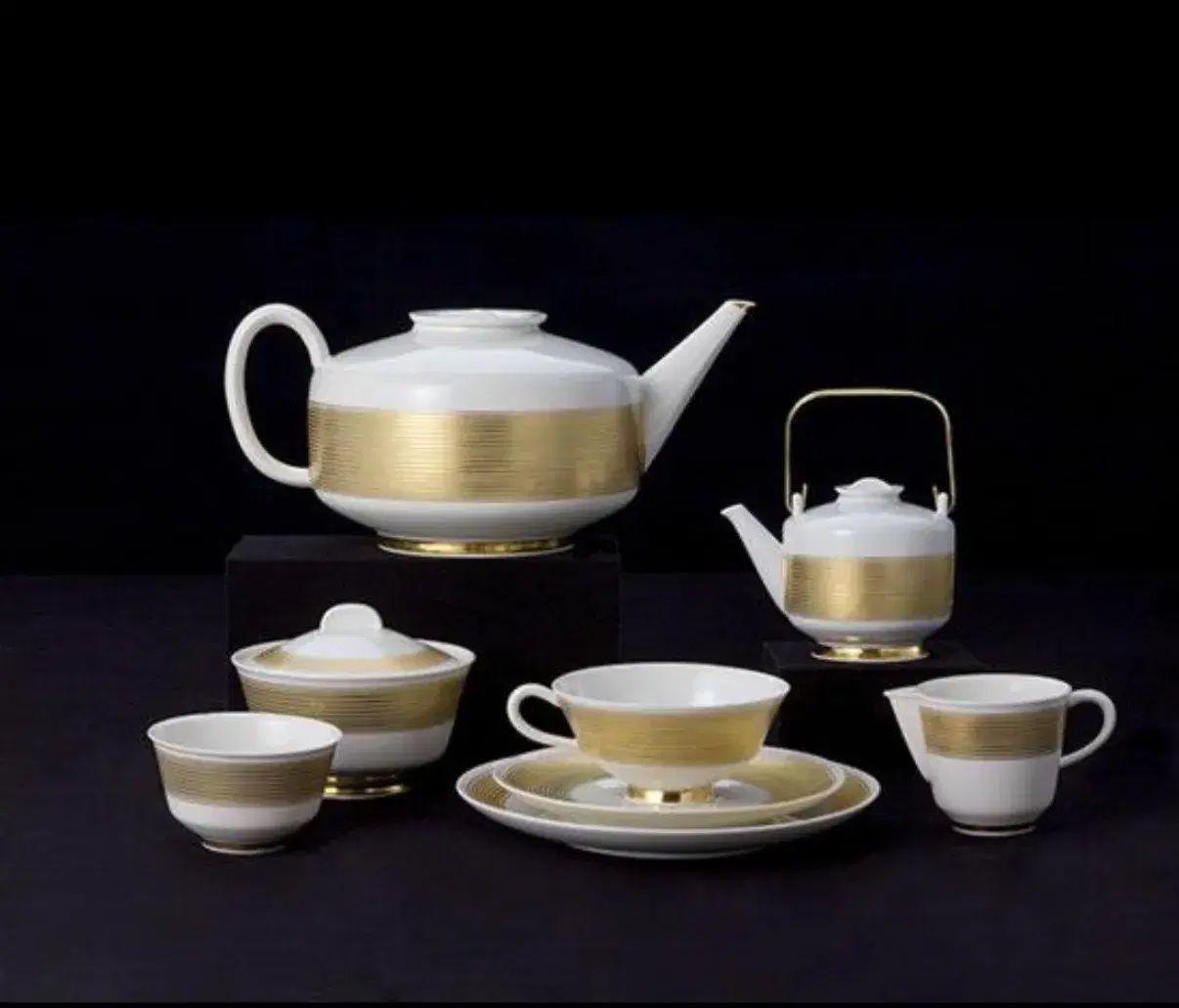
denhain achieved something extraordinary. She became the first woman to qualify as a master potter in Germany. Not the first woman to make pottery, obviously. Women had been making ceramics for thousands of years. But being officially recognised as a master craftsman? That was another matter entirely. Apparently, the ability to centre clay, throw a vessel and understand a kiln needed to be formally demonstrated before a woman could receive the same professional recognition as a man.
The Bauhaus promised a revolution
respects, it was. However, the school also reflected the gender prejudices of its time. Women were often directed towards weaving rather than workshops traditionally dominated by men. Friedlaender chose ceramics. She trained under master potter Max Krehan and sculptor Gerhard Marcks, learning both the technical discipline of pottery and the artistic principles of form and design. Her achievement in 1925 wasn't simply a personal milestone. It challenged assumptions about who could become a professional craftsperson.
A teapot can be revolutionary
In 1926, Friedlaender became head of ceramics at the School of Fine and Applied Arts in Halle. She later designed elegant porcelain tableware for the Royal Berlin Porcelain Manufactory. Her designs were functional, restrained and carefully proportioned. No unnecessary decoration. No elaborate flourishes. Just beautifully considered objects intended for everyday use. And this is where I find her work particularly interesting. We often associate artistic revolutions with dramatic paintings, provocative sculptures or installations that require several paragraphs of explanation. Yet Friedlaender was challenging established ideas through cups, saucers and teapots. Objects people used every day. Her work suggested that good design didn't have to be reserved for wealthy collectors or museums. It could exist on an ordinary breakfast table.
The skill nobody sees
Anyone who has worked with clay knows how deceptive simplicity can be. A beautifully balanced bowl might look effortless. But behind it are countless decisions about wall thickness, proportions, trimming, drying, glazing and firing. The finished object rarely reveals how many attempts it took to get there. At KeKo Club, I see this regularly. Someone makes their first cylinder and discovers that keeping the walls even is considerably more difficult than it appears. Then they try again. And again. And again. Eventually, something changes. Their hands become more confident. They begin understanding the material rather than simply fighting it. This is why our studio membership is built around regular access and independent practice. Learning a craft takes time, repetition and the freedom to experiment. You can find out more at KeKo Club
A century later
omething worth dedicating a lifetime to. Not because every pot would become a masterpiece. But because the process of making, learning and improving had value in itself. A century later, we have electric wheels, programmable kilns and an extraordinary range of ceramic materials. Yet the essential challenge remains remarkably unchanged. Take a lump of clay. Make something useful. Make it well. And perhaps, along the way, challenge a few assumptions about what you're capable of. Not a bad achievement for something that starts as mud.
Sources and further reading: 1. Smithsonian Institution, Archives of American Art — Oral history interview with Marguerite Wildenhain (1981). Her own account of Bauhaus training, becoming Germany's first woman master potter and her teaching philosophy. 2. Los Angeles County Museum of Art (LACMA) — Bauhaus at 100: Spotlight on Marguerite Wildenhain. Research on her training, porcelain designs and career. 3. SFO Museum — A Potter's Life: Marguerite Wildenhain at Pond Farm. Museum collection documenting her ceramic designs and influence on modern pottery.