Keko Club
The Woman Who Turned a Cup of Tea into a Work of Art
How Lucie Rie challenged the boundaries between art and everyday objects.
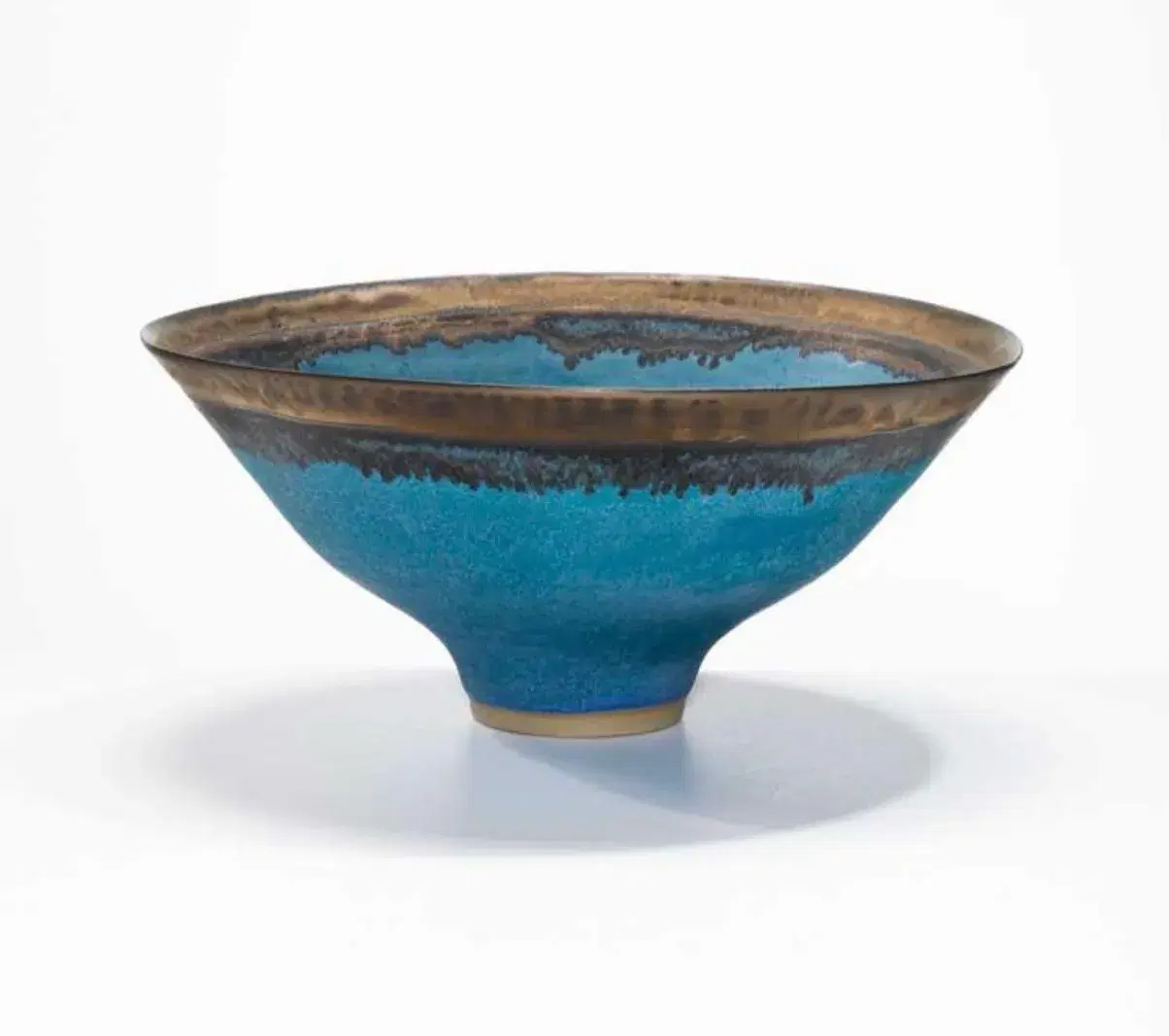
Most of us have a favourite mug. Perhaps it’s beautifully made, slightly chipped or simply the one nobody else in the household is allowed to touch. But can an ordinary cup be considered a work of art? One woman spent much of her career proving that it could. From Vienna to London Lucie Rie (1902–1995) was an Austrian-born ceramicist who became one of Britain’s most influential studio potters. In 1938, she fled Nazi-occupied Austria and settled in London. During the Second World War, she supported herself by making ceramic buttons. Not magnificent sculptures. Not expensive decorative pieces. Buttons. Tiny, functional objects that people actually needed. And yet, even these became opportunities for artistic experimentation. Rie developed distinctive glazes, textures and techniques that would later influence her celebrated ceramic vessels. When simplicity becomes extraordinary Rie became famous for her elegant bowls, bottles and delicate forms. Her work rarely relied on elaborate decoration. Instead, she concentrated on proportion, balance, surface and subtle colour. She demonstrated that simplicity doesn’t mean something is easy. Anyone who has attempted to throw a perfectly balanced cylinder on a pottery wheel will understand this. A cylinder sounds straightforward. Until you try making one. Suddenly, gravity becomes your enemy, the clay develops a personality and your carefully planned masterpiece begins resembling a flowerpot after an unfortunate accident. Art doesn’t have to hang on a wall What I find particularly interesting about Lucie Rie is how she challenged the separation between art and everyday life. Why should a painting be considered art while a beautifully made bowl is merely kitchenware? Both require imagination, technical skill and creative decisions. Perhaps the difference lies less in the object itself and more in how we choose to look at it. Today, Rie’s ceramics are displayed in major museums, including the Victoria and Albert Museum. There is something wonderfully ironic about that. Objects inspired by everyday use are now considered too precious to touch. Next time you reach for your favourite mug, look at it properly. Someone made decisions about its shape, weight, balance and texture. And perhaps what you’re holding isn’t simply a mug. Perhaps it’s a small, functional sculpture that happens to accommodate tea. Sources and further reading 1. Victoria and Albert Museum — Lucie Rie: A Modernist Revolution in British Studio Ceramics 2. Kettle’s Yard, University of Cambridge — Who Was Lucie Rie?